How is a carbon credit created?
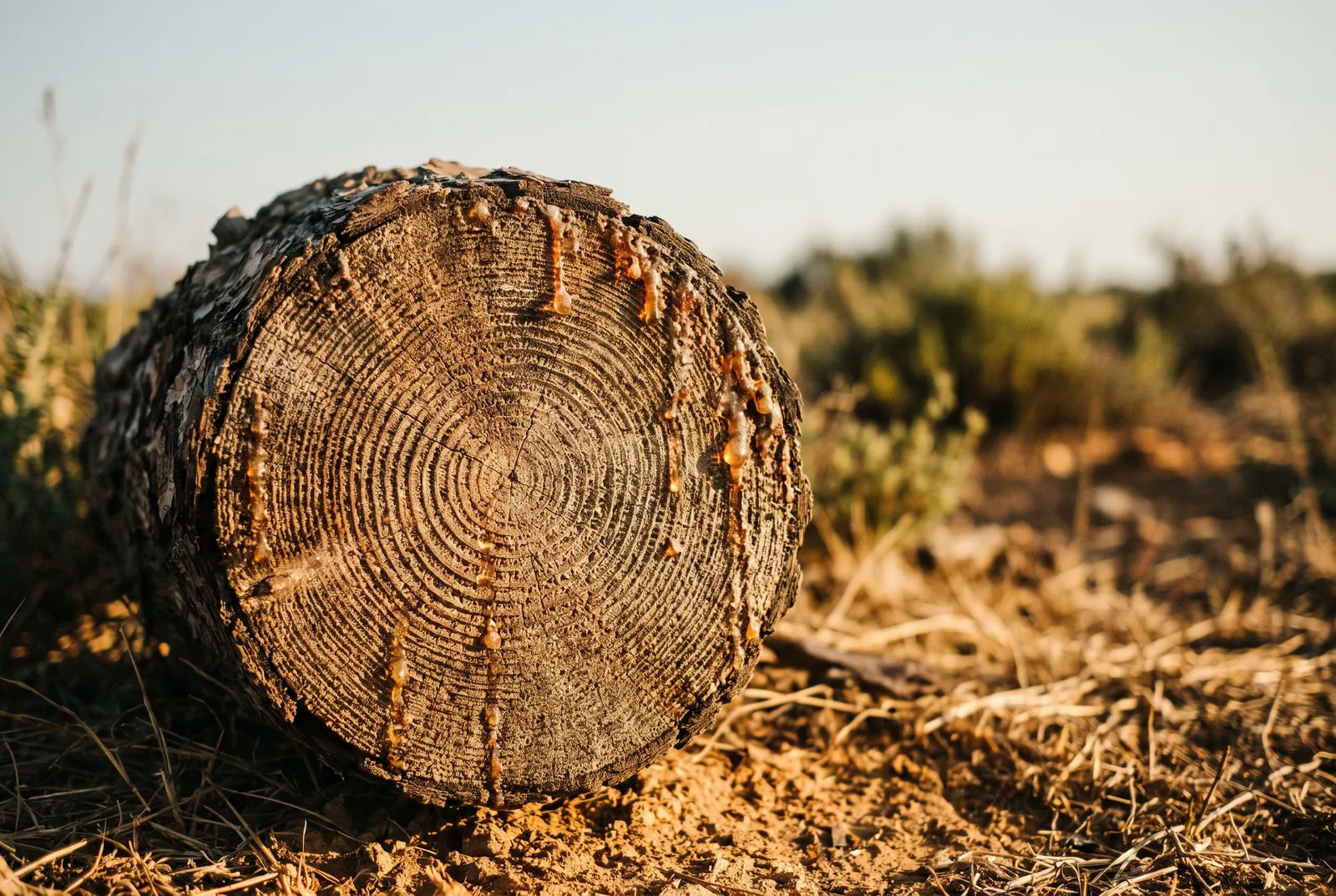
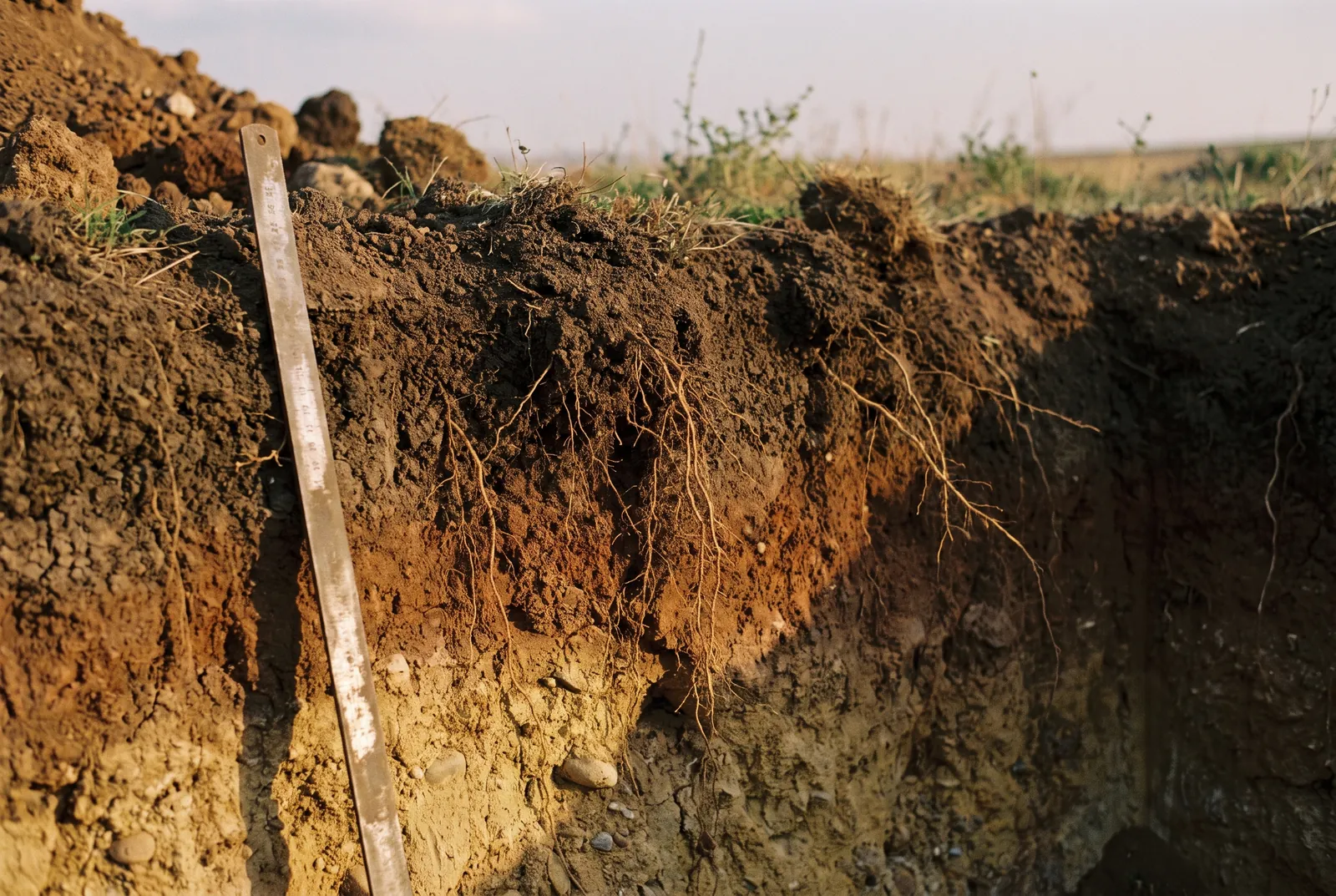
One carbon credit represents one tonne of carbon dioxide equivalent removed from the atmosphere or kept out of it. In afforestation projects, credits are calculated from the carbon accumulated in trunk, branch and root biomass and in the soil.
The calculation is made against the starting position. That is why the process begins with an analysis establishing the soil’s baseline carbon stock; every later measurement shows the carbon added above that line.
Why can’t forest land be used?
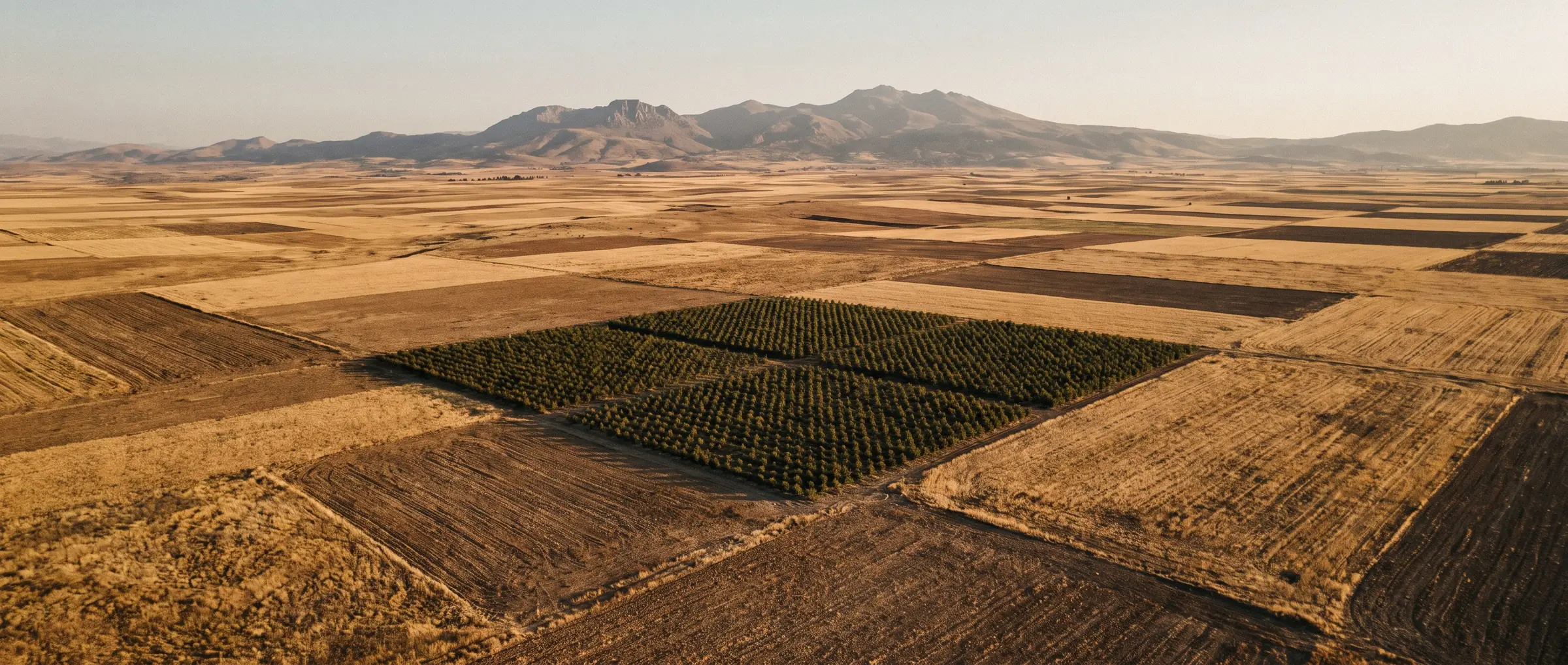
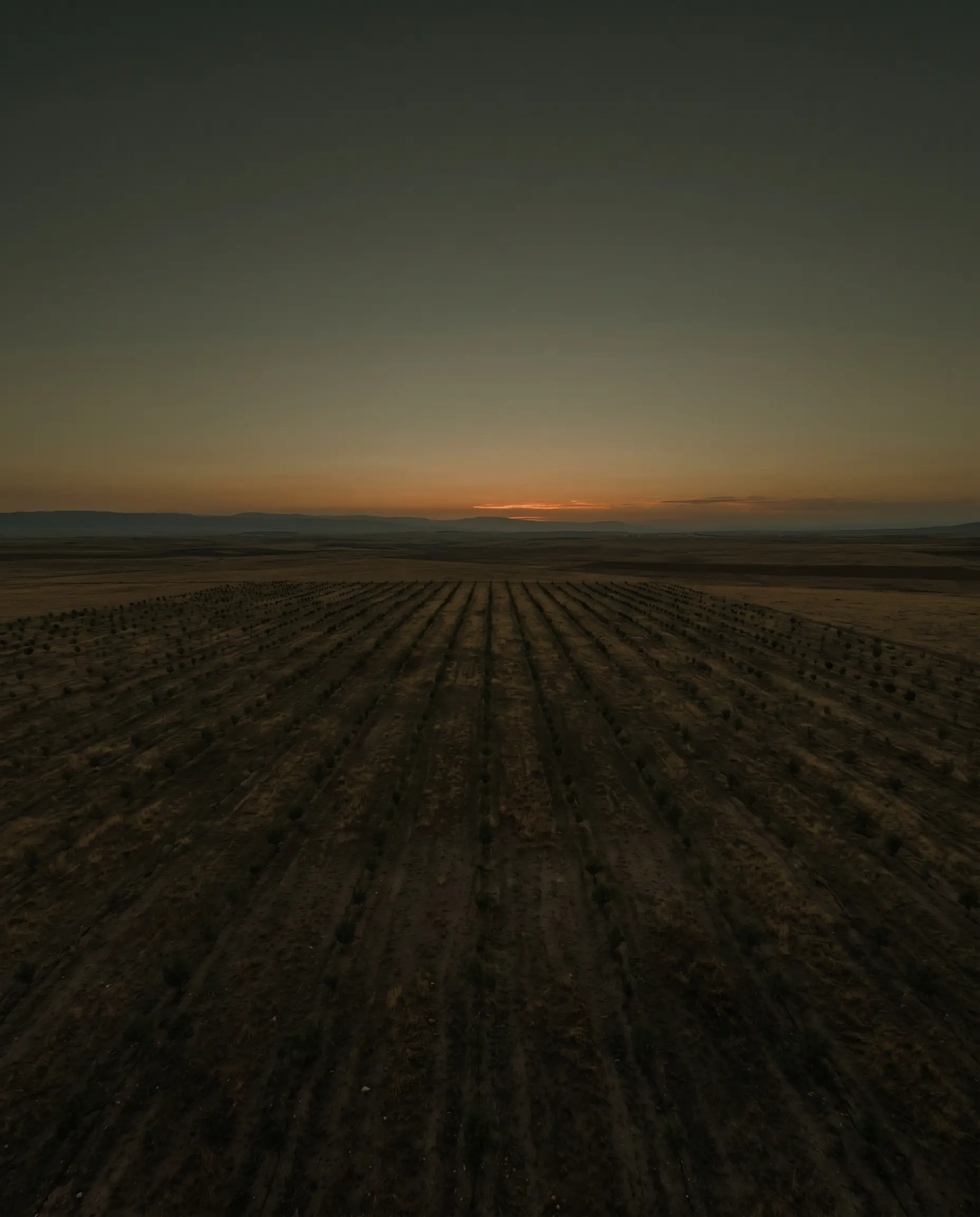
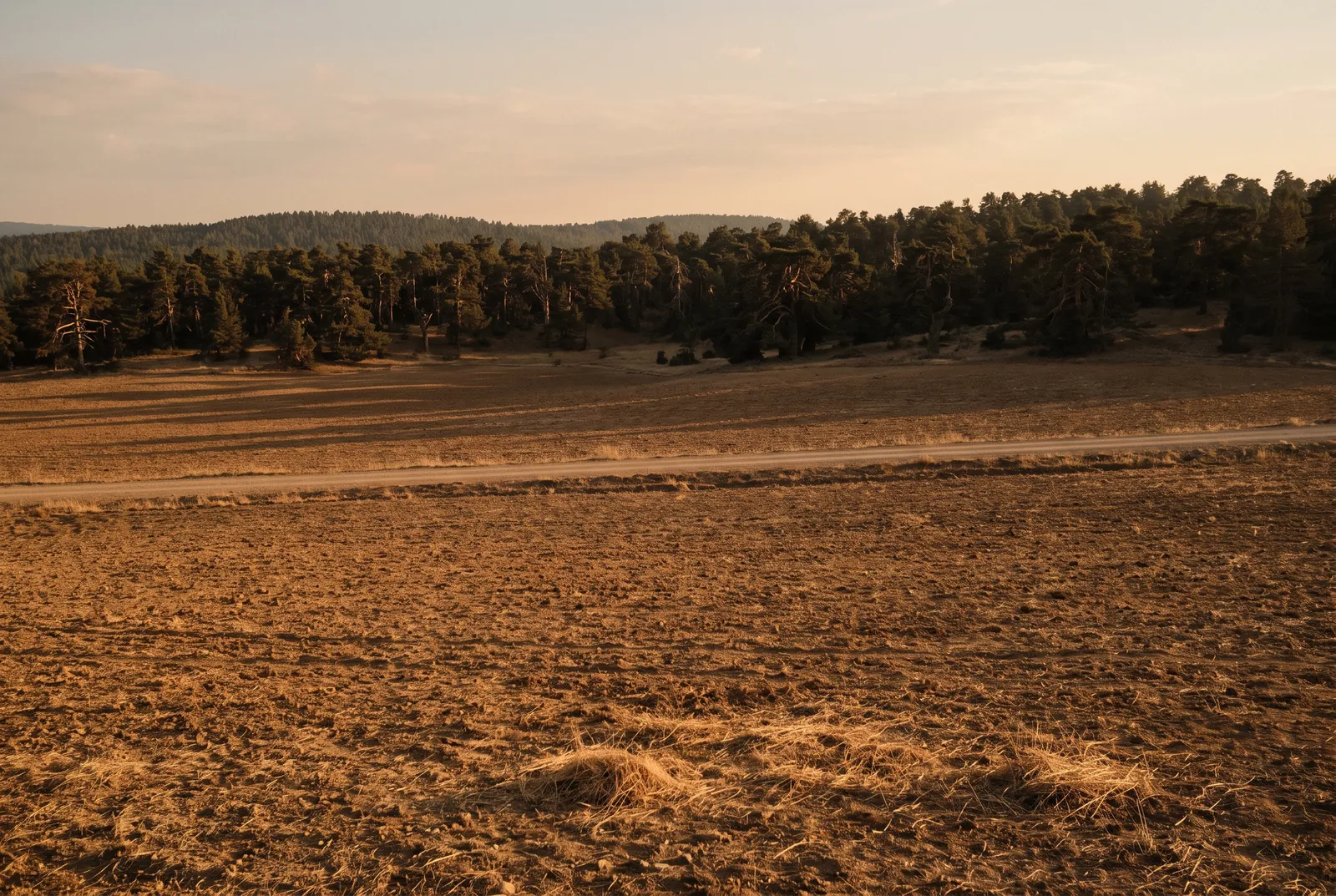
The carbon market only rewards carbon removal that would not have happened without the project. Land that is already forest does not count as binding new carbon, even if a new project is placed on it. Projects are therefore built on non-forest land, as forests planted from scratch.
Why does certification matter?
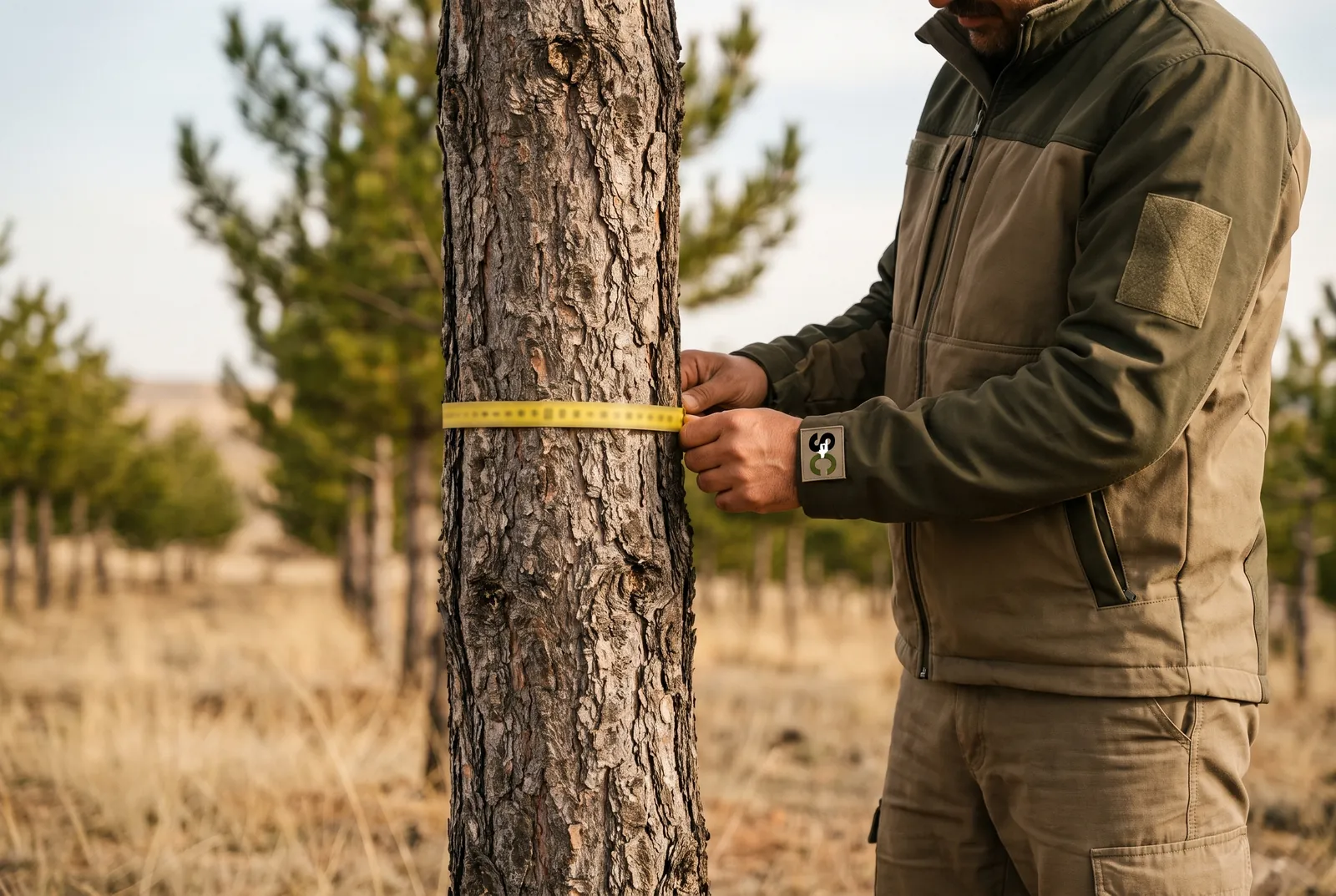
A buyer has to be able to show that every tonne it purchased was genuinely removed, is permanent and has not been sold to anyone else. Independent verification and a serialised registry entry provide that assurance; uncertified carbon sells in the same market for a small fraction of the price.
| Certified carbon | Uncertified carbon | |
|---|---|---|
| Measurement | International methodology, on the ground and from the air | Self-declared estimate |
| Verification | Independent auditor | None |
| Registry | International registry, serialised | Unregistered |
| Buyers | Companies with reporting obligations | Limited, voluntary |
| Price | Market price | A small fraction of certified |
Who buys carbon credits?
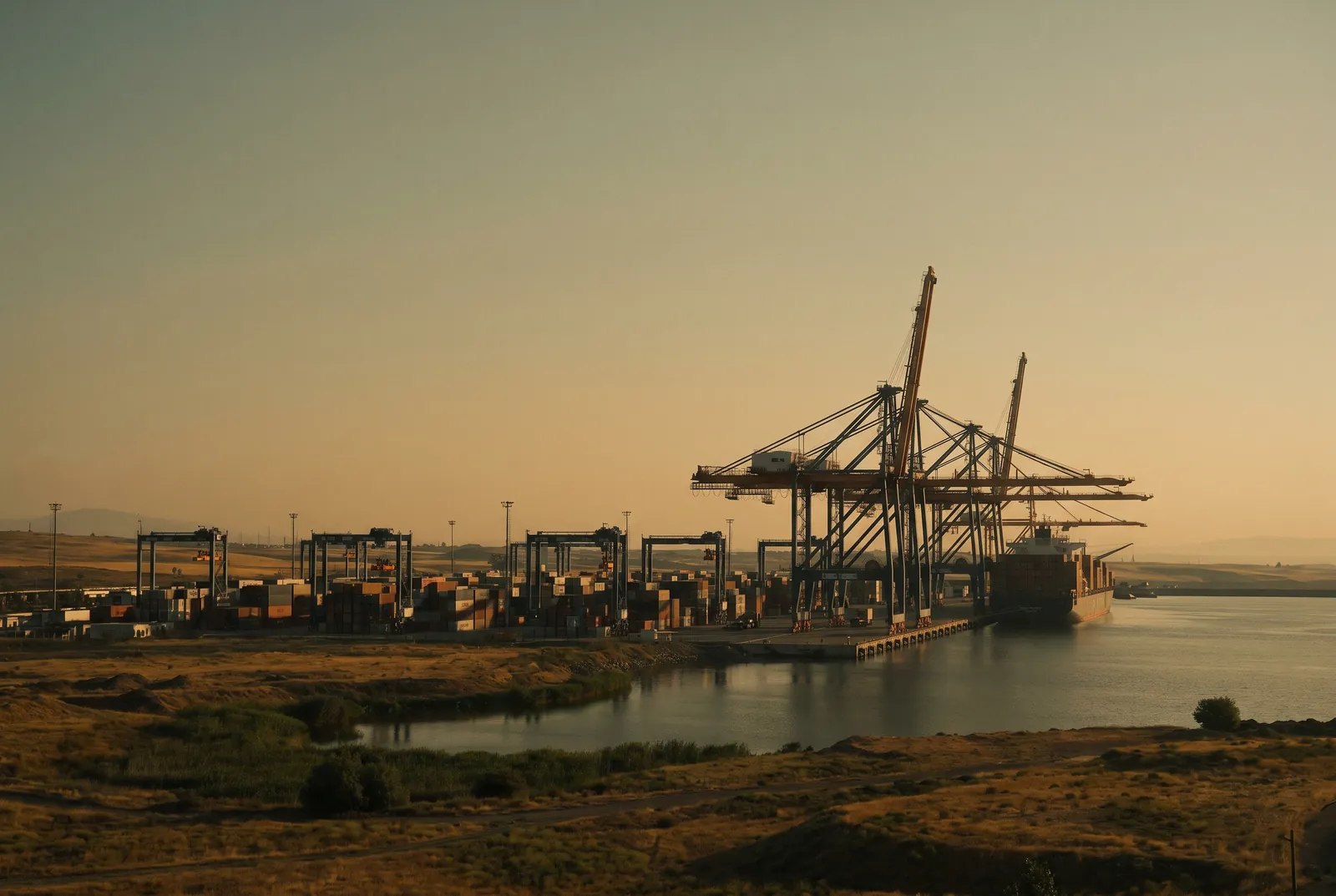
Companies obliged to report and reduce their emissions offset the part they cannot reduce with verified credits. Exporters to Europe, emission-intensive industries and organisations with sustainability commitments are the main sources of that demand.
Where does Türkiye stand?
Türkiye is preparing its climate legislation and a move to emissions trading. The implementing rules for carbon sink projects are not yet final. Because a forest takes years to produce carbon, preparing on the ground now means being ready when the rules are settled.